
From James Kinchin-White and Ed Moloney
If Jean McConville was, as the IRA has claimed, working as a spy for the British Army when in December 1972 she was abducted from her Divis Flats home and ‘disappeared’ into an unmarked grave on the shores of Carlingford Lough, communicating with her handlers was likely the least of her problems.
British Army documents recently accessed at the national archives at Kew in southern England show that the regiment based in the Divis Flats complex in west Belfast during the year before the IRA kidnapped and killed her, the 1st Battalion, Royal Green Jackets, had access to a supply of no less than 28 Stornophones which were described officially as ‘local issue’, suggesting a Northern Ireland-based source had provided the sets, possibly the RUC.
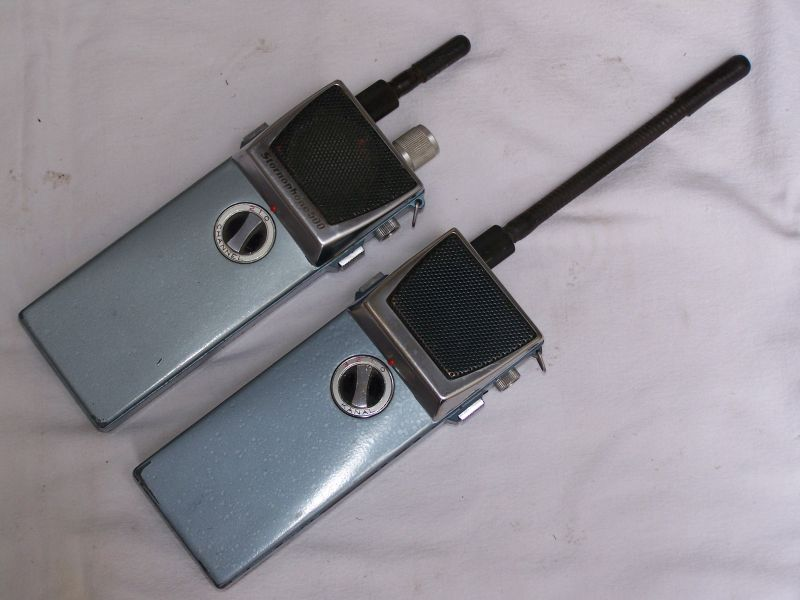
Typical of the Stornophone denials is this extract from the account of the Jean McConville killing and disappearance taken from Patrick Keefe’s book ‘Say Nothing’: “There was also mystery relating to the detail of the radio itself. Some former police officers, like Trevor Campbell, maintained that neither the army nor the police were using hand-held radios to communicate with informants (page 333)”.
When he was researching his book, Keefe could have cited the Bloody Sunday inquiry headed by Lord Saville who noted in his report the use of Stornophones by soldiers on duty in Derry during the demonstration that day. But he didn’t. Bloody Sunday happened in January 1972, the best part of a year between that event and Jean McConville’s lonely death on the shores of Carlingford Lough the following December. Equally, the internet is full of photos of soldiers using or carrying Stornophones while on duty in 1971 and 1972 in the months preceding – not just following – Jean McConville’s abduction.
The evidence that the Stornophone was in use by British and locally-recruited members of the security forces some time before the IRA abducted and ‘disappeared’ Jean McConville, is overwhelming. And it makes sense. The Stornophone was small and easy to use, being similar in its characteristics to the modern smart phone. It made sense for British military units to use the smaller, handier device, especially when communicating with people in great need of secrecy.
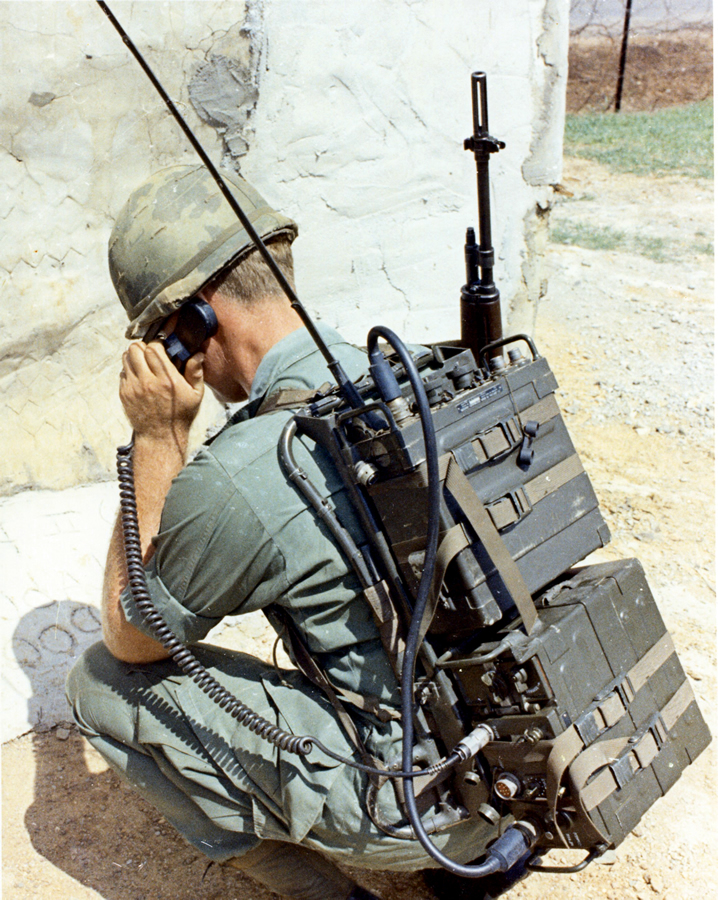
The stack of Stornophones provided to the 1st Battalion, the Royal Green Jackets numbered 28, sufficient to last the regiment’s tour of West Belfast which lasted from the beginning of May 1971 till the end of September. Other heavier and bulkier sets, the C42, A41 and A40 radios were also available but their size and weight ruled them out from being used in sensitive situations such as those the Royal Green Jackets and their informants would routinely experience.
What we don’t yet know is whether the supply of Stornophones was a one off event or whether it was routine from the summer of 1971 onwards to make the Stornophone available to all military units serving in N. Ireland. We can be sure however that at least in the summer of 1971, the supply of Stornphones to the major military unit in the lower Falls area of West Belfast was more than adequate. The question that so far eludes a definitive answer is whether Jean McConville was provided with one of the Stornophones issued to the Royal Green Jackets. What we do know now is that she could have been…….:


 The Broken Elbow
You must be logged in to post a comment.